Scientists from RIKEN, Japan, discovered for the first time that only two GTPases, EngA and ObgE, can complete the single-step in vitro assembly of E. coli 70S ribosomes under close-to-physiological conditions. This discovery breaks the traditional paradigm since the 1970s that functional E. coli ribosomes must be reconstructed through a "two-step method" of changing temperature and Mg2+ concentration. The research results were published in eLife on June 18, 2026.
Why are ribosomes difficult to assemble in a single step
Ribosomes are the core molecular machinery for protein synthesis within cells. Since the Nierhaus laboratory established a two-step in vitro reconstruction system for the 50S large subunit of E. coli in the 1970s (Figure 1), the scientific community has been unable to assemble E. coli ribosomes with complete translational function de novo under a single mild condition: traditional methods require first forming 41S/48S assembly intermediates at 44°C and low Mg2+ conditions, and then raising the temperature to 50°C and significantly increasing the Mg2+ concentration to induce the final maturation of the subunit.
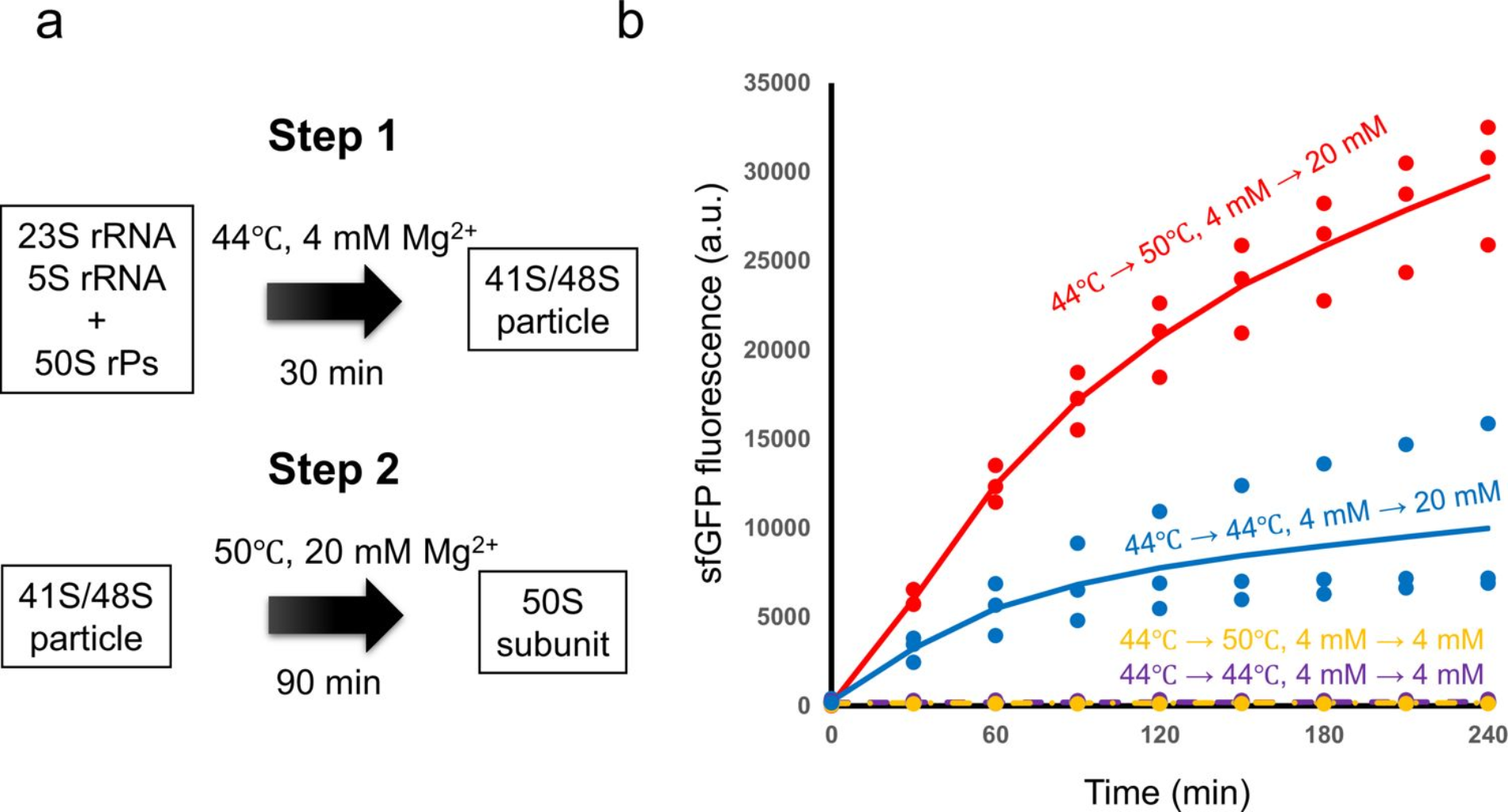
Figure 1: Ribosome assembly with two-step procedure. Adopted from the original paper.
This technical approach has significant limitations. First, the extreme temperature and ion conditions differ significantly from the intracellular physiological environment, making it difficult to recreate the molecular mechanisms of natural assembly. Second, the two-step condition-switching characteristic makes it impossible to couple ribosome reconstruction with protein translation in the same reaction system, becoming a core technical obstacle to constructing self-replicating artificial cells.
Previous studies have confirmed that the iSAT system based on crude cell extracts can complete ribosome assembly under isothermal and constant Mg2+ concentration conditions. However, the crude extracts are complex, and the key molecules and regulatory mechanisms are still unclear. Meanwhile, the PURE cell-free translation system, with its well-defined components, has consistently failed to independently complete the assembly of the functional 50S subunit.
Identifying the "minimum core combination" from six candidate GTPases
Professor Yoshihiro Shimizu and his team selected six GTPases, BipA, EngA, EngB, HflX, LepA, and ObgE, as candidate cofactors from the conserved GTPase family related to ribosome biogenesis (Figure 2). They incubated these GTPases with naturally purified 5S/16S/23S rRNA and total ribosomal protein (TP70) and carried out assembly experiments under near-physiological and constant conditions of 37°C and 8 mM Mg²⁺.
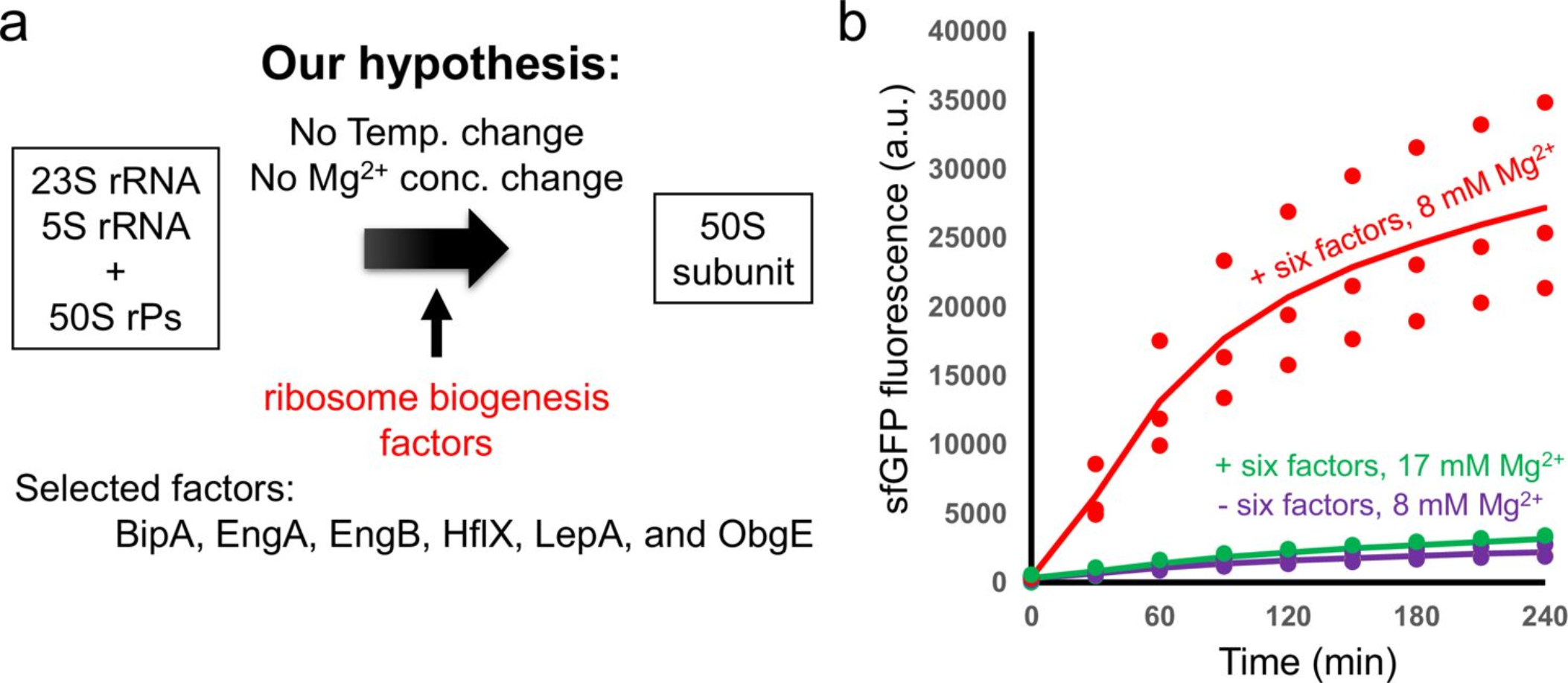
Figure 2: Ribosome assembly with ribosome biogenesis factors. Adopted from the original paper.
Experimental results showed that, with the coexistence of all six GTPases, 70S ribosomes with complete translational activity could be assembled under a single, mild condition (Figure 3). Subsequent gradient validation experiments using a step-by-step elimination of single factors further narrowed down the range of core factors: the absence of EngA resulted in complete failure of ribosome reconstruction, the absence of ObgE significantly reduced the translational activity of the assembled product, and the elimination of the remaining four factors had no statistically significant impact on assembly efficiency. This confirms that the combination of EngA and ObgE is the minimum essential core factor for replacing physicochemical stress and achieving single-step reconstruction.
Furthermore, individual functional validation showed that adding EngA alone could detect only very low levels of translational activity, and adding ObgE alone could not mediate functional ribosome assembly, suggesting that the two work synergistically to mediate the late conformational maturation of the 50S subunit.
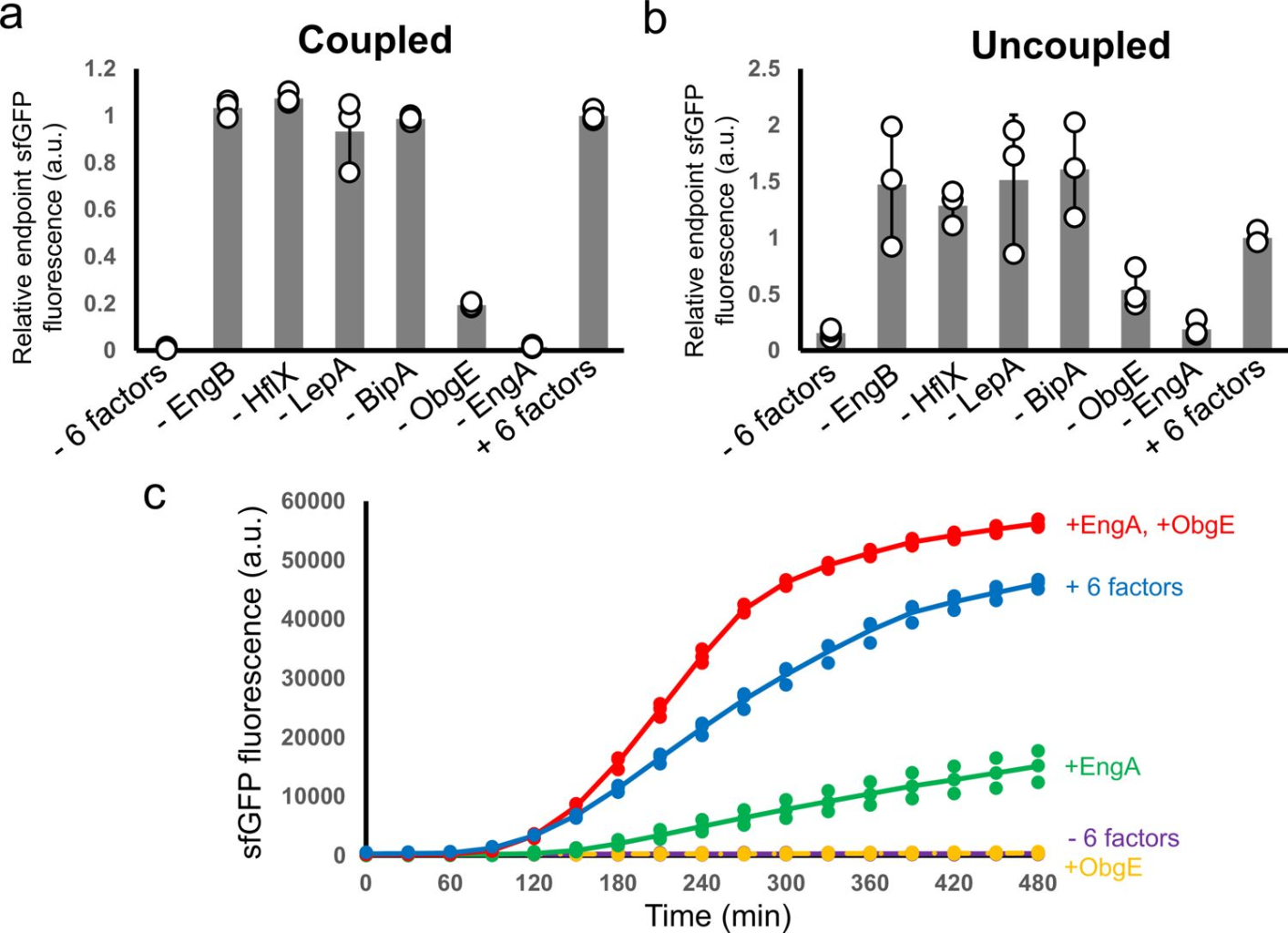
Figure 3: Identification of the responsible factors. Adopted from the original paper.
"One-pot" assembly and translational activity assay of 70S ribosomes
Based on the core role of the two-factor model, the research team achieved the coupling of ribosome assembly and protein translation within a single reaction system (Figure 4). The experiment introduced native rRNAs, TP70, EngA, and ObgE into the PURE system, which lacks endogenous ribosomes. Results showed that after the assembly lag phase, the fluorescence signal of the reporter protein (sfGFP) continuously increased, confirming that the newly assembled ribosomes could immediately perform protein synthesis.
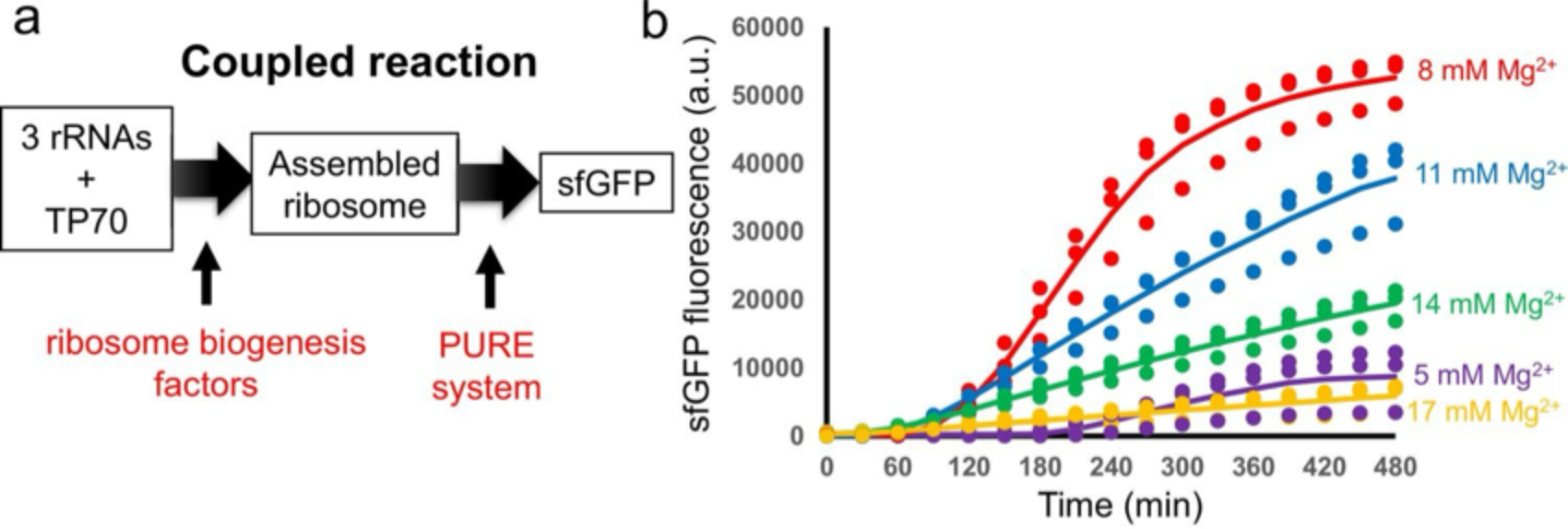
Figure 4 Coupling of the assembly and translation reactions. Adopted from the original paper.
Quantitative analysis showed that the translation efficiency of the single-step reconstructed ribosome was about 60% of that of the natural ribosome, with excellent translation fidelity. No significant frameshift or readthrough errors were detected by mass spectrometry, and the synthesized dihydrofolate reductase (DHFR) had complete catalytic activity.
Furthermore, EngA and ObgE can mediate reversible functional repair of denatured ribosomes. Ribosomes that were structurally disrupted due to Mg2+ chelation by EDTA can refold and restore protein synthesis activity after Mg2+ replenishment and the addition of the two factors, further suggesting that dual GTPases are directly involved in the conformational maturation process of the core functional region of E.coli ribosomes.
Key Milestones for Synthetic Cells
This study has several important implications. First, it explains at the molecular level why the iSAT crude extract system can complete ribosome assembly without temperature or magnesium changes, meaning that the cell extract naturally contains ribosome assembly cofactors such as EngA and ObgE. Secondly, this study established a standardized single-step ribosome reconstruction and detection platform, which can be used to explore more assembly cofactors and conduct ribosome engineering and in vitro evolution studies. Most importantly, this breakthrough provides a key module for building self-replicating synthetic cells from the bottom up.
Limitations and Prospects
The study also clarified the limitations of the current system. The experiment uses modified rRNA extracted from natural ribosomes. If unmodified 23S rRNA transcribed in vitro is used, active ribosomes cannot be assembled by EngA and ObgE alone, and additional factors such as rRNA modification enzymes need to be supplemented. In addition, the TP70 used in the experiment is derived from natural ribosomes, and trace amounts of ribosome biogenesis factors may remain. Therefore, the two factors are the minimum necessary combination, rather than a completely independent set of assembly components.
The research team stated that they will integrate rRNA-modifying enzymes and more assembly factors to achieve complete de novo synthesis from DNA templates to functional ribosomes. The goal is to reconstruct the smallest unit of life that can autonomously replicate in a pure component system.
This achievement not only deepens our understanding of the mechanisms of ribosome biogenesis but also provides a powerful new tool for the field of synthetic biology. With the continuous simplification and optimization of in vitro ribosome reconstruction technology, the blueprint for artificially constructing life is gradually transforming from a concept into reality.
Cite: Aya Sato, Weng Yu Lai, Yusuke Sakai, Keiko Masuda, Yoshihiro Shimizu (2026) Single-step in vitro reconstitution of the Escherichia coli ribosome mediated by two GTPase factors, EngA and ObgE. eLife, 15:RP109916
DOI: https://doi.org/10.7554/eLife.109916.4